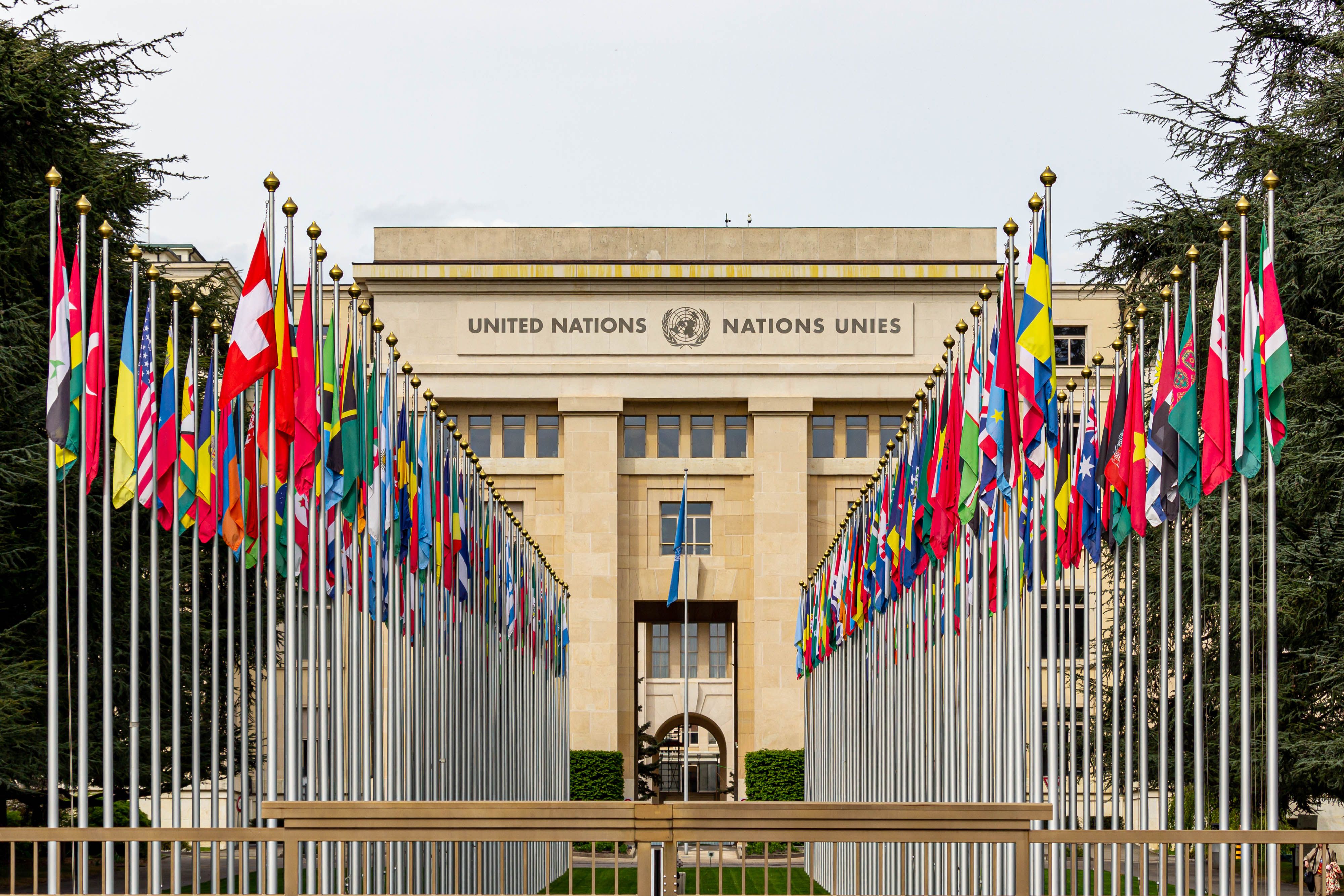

The first United Nations Global Dialogue on AI Governance brought together governments, civil society, academics, and technology companies in Geneva to discuss how the world should govern one of the fastest-moving technologies in history.
For Branka Panic, founder and director of AI for Peace and a senior fellow at the AI Ethics and Governance Institute, the meeting was both an important milestone and a reminder of the limitations of international AI governance.
Speaking with AEGIX Director Medlir Mema on the Age of AI podcast after attending the event, Panic described a process that was ambitious and globally representative but still struggled with transparency, practical inclusion, and difficult questions surrounding peace and conflict.
A More Global AI Conversation
The dialogue emerged from the UN’s Global Digital Compact and was designed to work alongside a new independent scientific panel on AI. The panel is responsible for assessing the opportunities and risks associated with artificial intelligence. The dialogue is intended to help governments and other stakeholders decide what to do with that evidence.
What made the Geneva meeting significant was its scope. Previous international AI summits included a limited number of countries. The UN process invited all member states, giving countries that had largely been excluded from earlier AI governance initiatives a formal place in the conversation.
This was especially important for the Global South. Panic noted that more than one hundred countries, many of them developing nations, had not participated in prominent non-UN AI governance efforts. The dialogue, therefore, represented a rare opportunity to create a genuinely international process.
Dialogue in Name, Diplomacy in Practice
Despite its title, the official sessions offered limited direct dialogue. Most participants delivered short, prepared statements, with little opportunity to challenge or respond to one another. Panic described it as a dialogue largely “by name.”
Still, the event had value. The speeches revealed where countries stood on investment, regulation, national development, and international cooperation. Many of the most important exchanges also happened away from the stage. Bilateral meetings, side events, and informal conversations gave organizations the opportunity to respond to official statements, build partnerships, and identify issues missing from the formal agenda.
Evidence Without Clear Action
A major focus of the meeting was the preliminary report from the UN’s independent scientific panel on AI. The report examined employment, the economy, democracy, human rights, and other social consequences of artificial intelligence. Its central conclusion was familiar but significant: AI is advancing faster than governments can understand or govern it.
Panic emphasized that civil society organizations have raised many of these concerns for years. The importance of the report is that it gives policymakers a body of scientific evidence they can use when developing governance frameworks.
However, the report was released only three working days before the dialogue, giving delegations little time to study it or develop meaningful responses. This created a basic problem. The dialogue was supposed to respond to the scientific panel’s findings, but participants had almost no time to prepare. The report also avoided making policy recommendations. It presented the evidence and left political leaders responsible for deciding what should happen next.
Whose Voices Shape the Process?
Panic welcomed the creation of the panel but argued that greater transparency is necessary.
Questions remain about how experts were selected, how disagreements were resolved, which evidence was included, and whether panel members had connections to major technology companies or donors. These questions matter because the panel helps determine which issues become part of the international AI governance agenda.
Panic also pointed to the importance of lived experience. Scientific evidence can take years to develop, while communities may already be experiencing the effects of AI systems. Several parallel events in Geneva focused on the Global South and citizen participation. Rather than viewing these initiatives as unnecessary duplication, Panic saw them as evidence that important perspectives were still missing from the official process.
Inclusion on Paper Is Not Enough
The dialogue was presented as inclusive, but Panic’s own experience illustrated the gap between formal participation and practical access. She was selected to speak but never received confirmation. Her appearance was not listed on the agenda, and she learned that she had been called to the stage only after receiving messages from other participants.
Other speakers faced similar confusion. For organizations that require visas, travel funding, or significant preparation, last-minute communication can make participation impossible. The process may be technically open, but it remains easier for well-funded groups or organizations already based in Geneva.
True inclusion requires more than invitations and public consultations. It requires procedures that allow people from different regions and economic circumstances to participate effectively.
The Missing Question of Peace
The most serious omission for Panic was peace. Military applications of AI were excluded from the official mandate, likely because including autonomous weapons and related technologies would have made international consensus far more difficult.
Panic understood the political compromise but argued that excluding military AI should not mean excluding the broader relationship between artificial intelligence, conflict, political violence, disinformation, repression, and peacebuilding. AI can contribute to instability without being classified as a weapons system.
During sessions on human rights, participants discussed children, workers, democracy, and the environment. Peace received almost no attention. For an organization founded to protect international peace and security, that absence was difficult to ignore. These issues nevertheless appeared outside the official agenda. Activists, civil society groups, and parallel events raised concerns about the role of technology companies in warfare and alleged human rights abuses.
Panic argued that difficult issues do not disappear simply because they are removed from the formal program. They return through protests, side events, and public campaigns.
What Would Success Look Like?
For Panic, success must involve more than organizing another international meeting. The process itself must become more transparent, accessible, and responsive to criticism. Participants should understand how public submissions influence decisions, how speakers are selected, and why certain subjects are included or excluded. There must also be measurable progress.
Many developing countries are being asked to create AI strategies while still facing limited internet access, unreliable electricity, and shortages of technical and regulatory expertise. Their requests are practical. They need capacity building, financial support, legal guidance, and help translating international principles into national policies. By the next dialogue, governments should be able to identify specific improvements that resulted from the process.
The first UN Global Dialogue on AI Governance was a necessary beginning. It created a forum where nearly every country could participate and connected scientific evidence with political debate. Its weaknesses, however, revealed the difference between representation and influence, consultation and participation, and discussion and action.
The future of global AI governance will depend on whether international institutions are willing to listen not only to the voices inside the official sessions but also to those still struggling to be heard.
Editorial Note: In keeping with the AI Ethics and Governance Institute’s commitment to the responsible use of artificial intelligence, this commentary was drafted with AI assistance based on an Age of AI podcast interview conducted by the author with Ms. Branka Panic. The analysis, structure, and final editorial decisions remain the responsibility of the author.