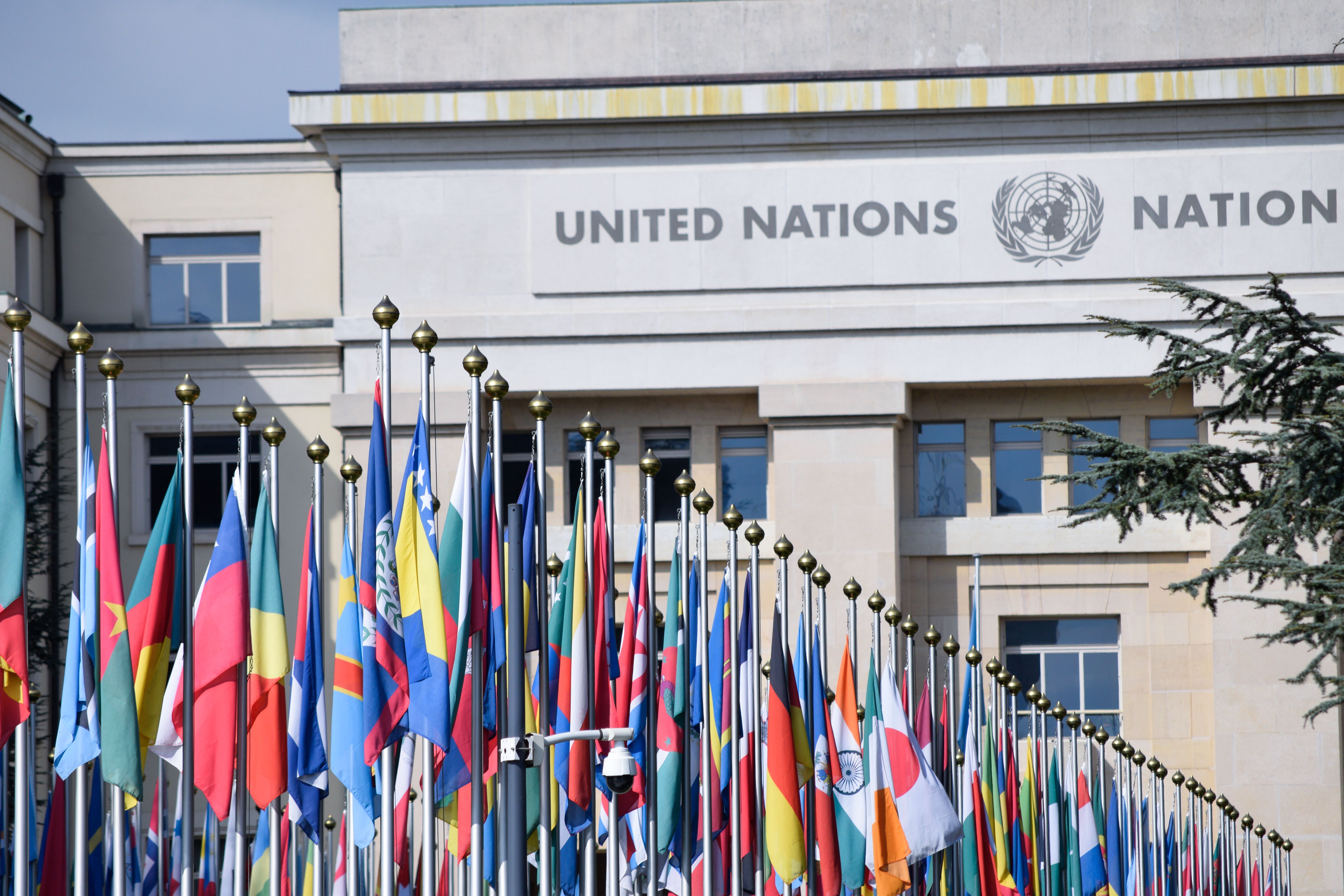

In July 2026, the United Nations' newly formed Independent International Scientific Panel on Artificial Intelligence released its first Preliminary Report, offering the first global, scientific assessment of AI's capabilities, risks, and impacts. This article examines the report's findings through the lens of civil society, organizing the Panel's evidence around three questions of direct relevance to nonprofit leaders and researchers: how rapidly AI capability is advancing, who controls its development, and where its benefits and harms are concentrated. Drawing on the Panel's data across societal applications, economic implications, human rights and information integrity, cultural flourishing and child safety, and AI governance, the article finds that capability gains are accelerating while control over frontier development remains concentrated among a small number of private actors, primarily in the United States and China. It further identifies disproportionate harms to women, children, and under-resourced language communities, alongside a widening access gap between the Global North and Global South. Dr. Angie Holzer's firsthand observations from the United Nations Dialogue on AI Governance in Geneva, where she attended as an invited participant in July 2026, inform the article's analysis. The article concludes with a call to action for nonprofits: demand safeguards before adopting AI tools, fund Global South and local-language AI infrastructure, and claim a seat at the AI governance table.
Originally published in Journal of Nonprofit Innovation. Read the full article here.